
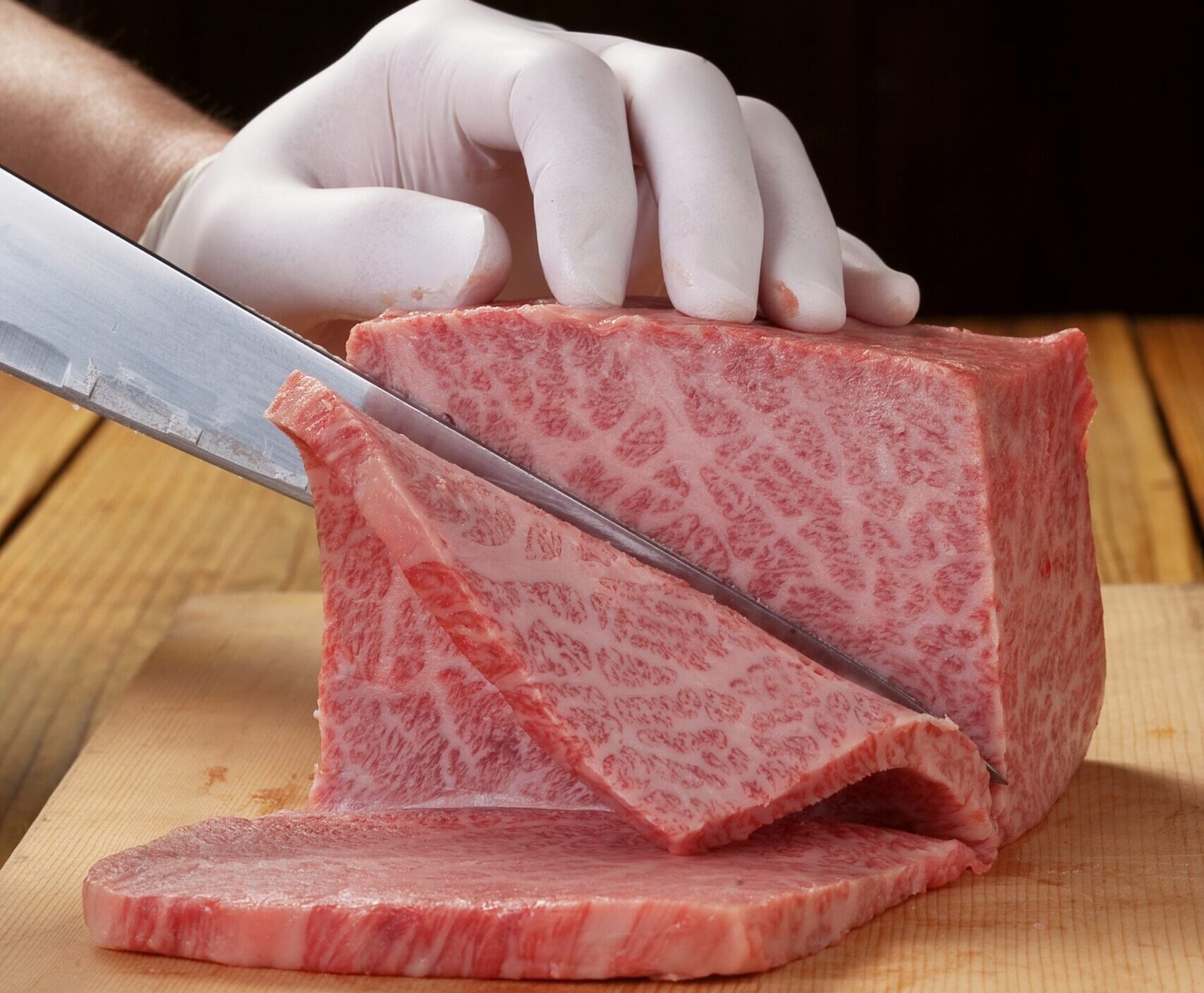
When you see “A5 Wagyu” on a menu at a high-end steakhouse or Japanese yakiniku restaurant, you know you’re looking at something special. But what does “A5” really mean? Why is this grade considered the pinnacle of beef, and why does it command such a high price? In this article, we uncover the secrets behind the A5 Wagyu grade and what makes it truly exceptional.
1. What is A5 Grade? Understanding the Japanese Beef Grading System
In Japan, all Wagyu beef is carefully graded based on two criteria:
Yield Grade (A / B / C)
-
A: High yield (the best)
-
B: Average yield
-
C: Low yield
“Yield” refers to the amount of usable meat obtained from a carcass.
Meat Quality Grade (1 to 5)
Determined by evaluating four factors:
-
Beef Marbling Standard (BMS): The degree of marbling (intramuscular fat)
-
Meat Color and Brightness
-
Firmness and Texture of the Meat
-
Color, Luster, and Quality of Fat
To receive an A5 grade, the beef must have both the highest yield (A) and the highest quality rating (5).
2. What is BMS? The Secret of Marbling
BMS (Beef Marbling Standard) is a unique index used to evaluate the level of marbling, ranging from 1 (no marbling)to 12 (extremely high marbling).
-
BMS 12: Exceptional marbling, rare, and ultra-premium
-
BMS 1: Little to no marbling, closer to lean beef
A5 Wagyu typically has a BMS of 8 to 12, resulting in its signature buttery texture and melt-in-your-mouth flavor.
3. Why is A5 Wagyu So Expensive?
1. Long Fattening Period (30+ months)
Wagyu cattle are raised nearly twice as long as typical beef cattle, increasing feeding and labor costs.
2. Strict Bloodline and Breeding Management
Only purebred Wagyu cattle with superior genetics are selected to aim for A5 quality.
3. Special Feed and Stress-Free Care
The cattle are fed high-quality grains (like rice bran) and cared for in a stress-free environment to promote perfect marbling.
4. High Production Risk
Excessive marbling can actually reduce usable meat, making the production of A5 Wagyu a high-risk, high-reward process.
4. Does A5 Mean It Tastes Better for Everyone?
While A5 Wagyu offers unparalleled richness, tenderness, and sweetness from its fat, some people prefer leaner cuts with more “beefy” flavor. Lower grades like A3 or A4 are also delicious depending on the dish (e.g., steak vs. shabu-shabu). Choosing the right grade for your preference is key to enjoying Wagyu to the fullest.
Conclusion
A5 Wagyu represents the pinnacle of Japanese beef — unmatched in marbling, tenderness, and taste — but also comes with significant production effort and cost. Knowing what the grade means will help you appreciate every bite and make better choices when selecting Wagyu for your next meal.